Best Practices for Caregiver Notes in Home Health Care
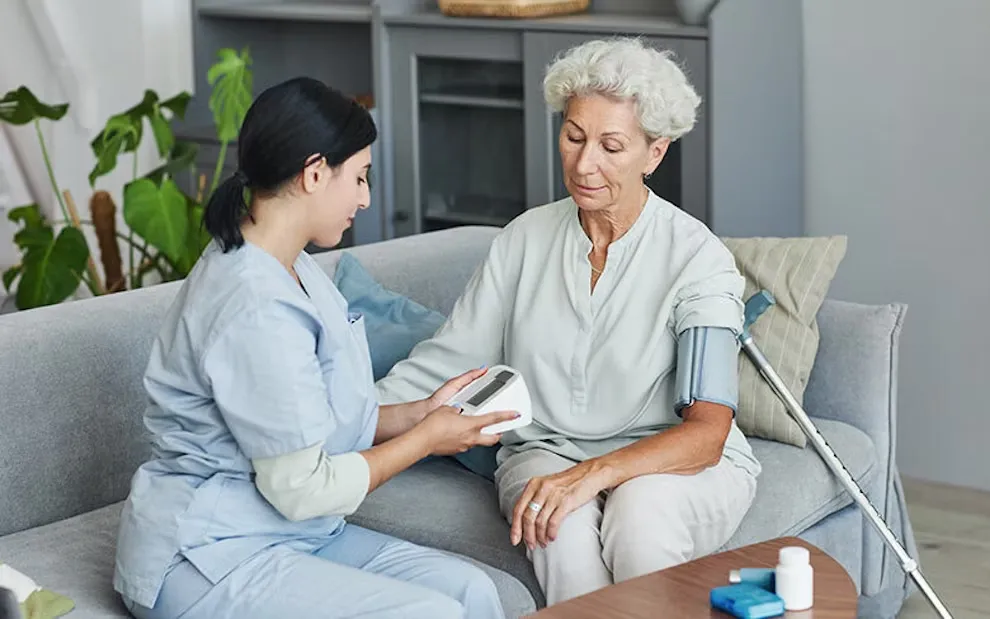
Caregiver notes are a critical component of home health care, serving as a bridge between care providers, families, and healthcare teams. Well-maintained caregiver notes ensure continuity of care, support compliance with regulatory requirements, and enhance patient outcomes.
Here are the best practices for caregiver notes to help home health care agencies empower their teams.
Best Practices for Caregiver Notes in Home Health Care
1. Prioritize Accuracy and Clarity
These notes should include detailed observations, patient progress, and any changes in condition. Vague or ambiguous descriptions can lead to miscommunication, potentially jeopardizing patient care.
- Use specific language. For example, instead of writing, "Patient seems tired," note, "Patient expressed feeling fatigued after walking ten steps to the kitchen."
- Avoid jargon or abbreviations that others might not understand while reviewing the notes.
- Double-check the accuracy of medication names, doses, and times administered.
By fostering clarity, agencies can improve the reliability of notes, ensuring that care teams have the information they need to provide effective, individualized care.
2. Document in Real Time
Timely documentation ensures the information recorded is fresh and less likely to contain errors due to memory lapses. Caregivers should aim to document events as they occur or immediately afterward.
To facilitate real-time note-taking:
- Equip caregivers with tools like mobile apps or tablets for seamless documentation during shifts.
- Encourage breaks during care to jot down key updates without disrupting workflows.
- Real-time documentation can also help agencies meet compliance standards, reducing discrepancies often associated with delayed note-taking.
3. Focus on Observations, Not Interpretations
Caregiver notes should focus on factual observations rather than personal interpretations or opinions. For example:
Write: "Patient refused lunch and stated, 'I'm not hungry.'"
Avoid: "Patient appeared moody and uninterested in eating."
This practice ensures that the documentation is objective, allowing other caregivers and healthcare providers to draw their own conclusions based on factual evidence.
4. Leverage AI for Consistency
A new report suggests that AI can offload up to 30% of administrative tasks, freeing time for caregivers to focus on care. For instance, NurseMagic™ ensures accurate patient documentation in any format across all roles in a home health agency. Its voice-to-text feature enables caregivers to record their patient notes. Moreover, according to a survey, 46% of healthcare executives believe AI models can enhance employee capabilities, leading to fewer documentation errors.
5. Train Caregivers on Effective Documentation
Even with the best tools, caregiver notes are only as strong as the individuals creating them. Comprehensive training is essential to empower caregivers with the skills needed for thorough and effective documentation.
Training programs should cover:
- The importance of documentation in patient care and legal compliance.
- How to write clear, concise, and complete notes.
- Role-playing exercises to practice documenting various scenarios.
6. Review and Audit Documentation Regularly
Regularly reviewing caregiver notes helps agencies identify gaps, inconsistencies, or potential areas for improvement. These audits also ensure compliance with state and federal regulations.
- Establish a routine for supervisors to review caregiver notes weekly or monthly.
- Provide constructive feedback to caregivers, highlighting strengths and areas for improvement.
- Use aggregated data from caregiver notes to identify trends, such as recurring issues with specific patients or caregivers requiring additional support.
7. Emphasize the Role of Notes in Communication
Clear and comprehensive notes ensure that every team member, from nurses to administrators, is on the same page regarding a patient's care plan.
Encourage caregivers to:
- Document interactions with family members, including any concerns or questions raised.
- Note any advice or guidance provided by physicians or nurses.
- Update care plans based on observations recorded in the notes.
Meet NurseMagic
NurseMagic offers a range of tools designed specifically to relieve burden for home health care workers and nurses.
Our tools reduce stress by dramatically saving time, improving accuracy and quality, and providing practical advice on navigating job challenges.
Learn more about our tools and enterprise solutions here: https://www.nursemagic.ai/for-home-health-care
Conclusion
By prioritizing accuracy, leveraging AI, and investing in caregiver training, agencies can ensure every patient receives the highest standard of care while empowering caregivers to thrive in their roles.
Interested in Learning More? Check Out These Resources
- Documenting Care as a Home Health Aide
- Best Practices for Documenting Home Care Skilled Services
- How to Prevent Documentation Errors in Home Health Care